
Table of Contents
ToggleHogwarts Legacy drops you into the Wizarding World during a pivotal moment in magical history, but not the one you might expect. Unlike Harry Potter’s 1990s timeline, the game takes place in the 1800s, roughly 100 years before the Boy Who Lived ever set foot in Hogwarts. This historical distance changes everything: the threats are different, the magical landscape is unfamiliar, and the stakes feel entirely fresh. Whether you’re curious about when Hogwarts Legacy is set, how its timeline connects to the larger Harry Potter universe, or why the 1800s setting matters for gameplay, this guide breaks down the complete historical context. Understanding the time period transforms how you experience the story, the characters you encounter, and the conflicts you face throughout your adventure.
Key Takeaways
- Hogwarts Legacy takes place in the 1880s, roughly 100 years before Harry Potter’s arrival at Hogwarts, creating a distinct historical period with its own magical conflicts and challenges.
- The Goblin Rebellion led by Ranrok is the central conflict that shapes your narrative, offering morally complex storytelling rooted in systemic prejudice rather than simple good-versus-evil dynamics.
- Your fifth-year protagonist status creates a unique outsider position with a rare ability to perceive magical threads, allowing you to discover secrets and hidden areas inaccessible to other wizards.
- The 1880s setting fundamentally influences quest design, magical abilities available, and Hogwarts’ architecture, making gameplay mechanics feel grounded in historical context rather than generic fantasy elements.
- Hogwarts Legacy respects Harry Potter canon while existing independently, providing historical depth to the Wizarding World events mentioned only in passing throughout the main series.
- The game’s progression mirrors real historical escalation, with early political tensions evolving into direct magical warfare, creating organic pacing driven by the era’s inevitable conflict.
The Historical Setting: 1800s Wizarding World
Hogwarts Legacy is set in the 1800s, specifically during the late 19th century. This puts the game roughly a century before Harry Potter’s arrival at Hogwarts in 1991. The exact year is around the 1880s, placing your protagonist squarely in the Victorian era of the Wizarding World. This historical positioning creates a fundamentally different magical society from what fans know from the books and films.
The 1800s setting isn’t arbitrary, it was chosen deliberately to explore a period of significant magical upheaval. The Wizarding World during this era is dealing with internal conflicts that the books only hint at through historical references. Goblin rights, dark magic resurgence, and institutional tension at Hogwarts itself all come to a head during this timeline. The game lets you experience these conflicts firsthand rather than learning about them through textbooks or conversations decades later.
This era also means the magical technology and infrastructure differ subtly from what you see in the films. Potion-brewing uses slightly different methods, spell catalogues are less refined, and certain magical conveniences that exist by the 1990s haven’t been invented yet. It’s not dramatically different, you’ll still recognize the Wizarding World, but the details create atmosphere and reinforce that you’re playing through history rather than just a different story in the familiar setting.
Why the 1800s Matters for Gameplay
The 1800s setting directly impacts how quests are designed and what conflicts drive the narrative forward. You’re not dealing with Voldemort’s legacy or the consequences of his rise to power: instead, you’re caught in the Goblin Rebellion led by Ranrok, a conflict that’s politically and morally complex in ways the typical good-versus-evil framing doesn’t capture. The dark magic threats you face are rooted in this era’s specific tensions, making story beats feel grounded in historical context rather than generic fantasy evil.
Gameplay-wise, the time period influences quest design and available resources. Certain spells and magical artifacts that appear in later Hogwarts years don’t exist in the 1880s, which means your magical toolkit is restricted compared to what Harry Potter eventually learns. This limitation creates different strategic approaches to combat and puzzle-solving. You’re working with what’s available in your era, not the full arsenal that becomes standard by the 1990s. It’s a subtle but meaningful design choice that reinforces the timeline’s importance.
Key Historical Context: Pre-Voldemort Era
The 1880s setting places Hogwarts Legacy firmly in a period before Voldemort’s rise to power. Tom Riddle wouldn’t be born until 1926, meaning the dark magical threats in your timeline are completely separate from his eventual dominance of the Wizarding World. This distinction is crucial for understanding the story: the evil you’re fighting isn’t foreshadowing Voldemort’s terror, but rather exploring a different, equally dangerous magical crisis.
Instead, the primary conflict revolves around the Goblin Rebellion and the characters orchestrating it. This is a period where institutionalized magical prejudice and goblin mistreatment have reached a boiling point, creating a massive schism within Wizarding society. The political landscape is far more fragmented than it becomes by the 1990s, when Ministry control is more centralized and the power structures are more clearly defined.
How The Goblin Rebellion Shapes the Story
The Goblin Rebellion is the backbone of Hogwarts Legacy’s narrative. Goblins have historically been treated as second-class citizens in the Wizarding World, barred from certain rights and consistently exploited by wizards for centuries. By the 1880s, this systemic mistreatment has reached a critical point. Ranrok, an ambitious goblin leader, seizes this moment to launch a full-scale rebellion against wizarding authority.
This rebellion affects your character directly. You’re a young wizard caught between competing factions, forced to navigate moral complexities that the books rarely explore. The conflict isn’t purely black-and-white, goblins have legitimate grievances, but Ranrok’s methods are increasingly extreme and dangerous. Your quests require you to take sides, build alliances, and make decisions that ripple through the Wizarding World. The political intrigue of the 1880s creates a story that feels more grounded than a simple “defeat the dark wizard” plot.
The rebellion also shapes how you interact with goblin characters throughout your adventure. These aren’t NPCs serving a single faction: they’re individuals with competing interests, loyalties, and beliefs about the best path forward. This nuance is only possible because the timeline is far enough removed from Voldemort’s eventual unification of evil, allowing for more complex moral frameworks.
The Role of Ranrok and Dark Magic
Ranrok represents a specific type of dark magic threat: one born from political grievance and systemic injustice rather than pure megalomania. He’s a formidable antagonist because his cause resonates with legitimate complaints about goblin treatment in the Wizarding World. But, his willingness to embrace increasingly dark magic to achieve his goals makes him dangerous regardless of the validity of his initial motivations.
Dark magic in the 1880s functions differently than it will by the time Voldemort emerges. Ranrok uses ancient goblin magic, blood curses, and forbidden spells to amplify goblin abilities and create hybrid magical creatures. You’ll encounter these dark magic threats throughout the game, they’re not Horcruxes or the systematic corruption of Voldemort’s later regime, but they’re just as deadly and morally troubling. The dark magic you face is experimental, volatile, and deeply tied to the political upheaval of the era.
Your Character’s Timeline: The Fifth Year Protagonist
Your character is a fifth-year student at Hogwarts, which is unusual because most students begin their Hogwarts education in their first year. You’ve joined the school years after your peers, creating a unique outsider status that shapes your entire experience. This narrative setup means you’re not a traditional protagonist, you’re catching up on years of magical education while simultaneously getting tangled in Ranrok’s rebellion.
The fifth-year timing places your character at around 15-16 years old, depending on whether you’re starting the game in your Hogwarts career or partway through. This age range is significant because it’s old enough to be trusted with dangerous assignments but young enough to feel the weight of expectations from older students and professors. You’re also entering the years where advanced magical education becomes more specialized, allowing you to choose which magical disciplines you want to master, Spellcasting, Potions, Alchemy, Dark Arts, and other focus areas that determine your playstyle and role in the story.
Why You Join Hogwarts Late in Your Education
Your character’s late arrival at Hogwarts is explained through a significant magical incident during your childhood. You have a rare magical ability, you can see and interact with magical “threads” that others can’t perceive. This ability manifests unexpectedly, causing a magical surge that results in an incident serious enough to prevent your early enrollment at Hogwarts. You’re kept out of the school system entirely until the Ministry finally determines it’s safe to enroll you as a fifth-year.
This backstory creates immediate tension with your peers. You’re simultaneously their age but years behind in magical knowledge and social integration. Some students resent you for being an exception to normal Hogwarts enrollment rules: others are curious about your unique abilities. Professors are split on whether your late start is an advantage (you’re mature enough to handle dangerous situations) or a liability (you lack foundational magical training). This outsider status permeates every interaction and quest throughout the game.
The timing also matters politically. You arrive at Hogwarts right as Ranrok’s rebellion is escalating. Your entry into the school coincides with increased security, student disappearances, and emerging evidence of a larger conspiracy. You’re literally stepping into a dangerous situation at a critical historical moment. Unlike a typical student, you’re immediately conscripted into the conflict rather than gradually discovering the rebellion’s existence.
How This Affects Your Magical Abilities
Starting as a fifth-year means your magical education takes a different path than a traditional playthrough of Hogwarts would. You learn advanced spells and techniques rapidly, but you’re building on a foundation of missing knowledge. The game accounts for this through progressive spell-learning: you unlock powerful magic quickly because you’re a late-year student, but you also discover foundational spells you technically should have learned years earlier.
Your unique ability to perceive magical threads becomes your greatest asset. This ability is rare enough that only specific NPCs and characters throughout history have possessed it. By the 1880s, this power is almost forgotten, most people don’t believe such abilities exist. You’re essentially operating with a magical sense that nobody in your era has trained or documented how to use. This creates gameplay moments where you can perceive secrets, unlock hidden areas, and see magical connections that standard Hogwarts education wouldn’t teach.
The fifth-year placement also affects which advanced classes and specializations open to you. You’re selecting your focus areas at an age when most students are just beginning to specialize, meaning your progression is accelerated. You’ll master disciplines faster than peers who started in first year but had to wait years before accessing advanced training. It’s a narrative justification for why you become powerful enough to take on dark wizards, rebel goblins, and world-threatening magical threats within a single school year.
Connecting to the Larger Harry Potter Universe
Hogwarts Legacy exists firmly within the Harry Potter canon, but operating in a separate timeline that doesn’t directly intersect with the books or films. The 1880s setting means none of the major characters you know from Harry’s era have been born yet. You won’t encounter young versions of famous characters or witness events that directly lead to Harry’s story. Instead, you’re experiencing the historical foundations that make the Wizarding World function the way it does by the 1990s.
The game respects canon by not contradicting established Harry Potter lore. Everything you learn about goblin history, Hogwarts’ architecture, magical spells, and historical figures aligns with what’s been established in the books and supplementary materials. But, it adds depth and specificity to periods the main series only references in passing. When Harry’s teachers mention historical goblin rebellions or ancient magic, Hogwarts Legacy shows you exactly what those events entailed and why they mattered.
The connection to the broader universe is primarily thematic rather than narrative. You’re exploring the consequences of institutional prejudice, the dangers of unchecked power, and the importance of community, themes that echo throughout the entire Harry Potter series. Your character’s journey in the 1880s sets up magical and political tensions that eventually resolve by the time Harry arrives at Hogwarts, even though you won’t see that resolution in the game itself.
Where Hogwarts Legacy Fits in Canon
According to supplementary Harry Potter materials and the game’s official positioning, Hogwarts Legacy takes place approximately 100 years before Harry’s first year. The Goblin Rebellion you witness in the game is resolved (or reaches a stalemate) well before the events of the books. Characters you encounter become historical figures, some celebrated as heroes, others relegated to footnotes or cautionary tales, depending on who tells the story.
The game’s events don’t create dramatic changes to the Wizarding World that fans would recognize as canon-breaking. Instead, they provide context and background for how the world became what it is by the 1990s. For example, goblin-wizard relations in the books are strained and complicated, Hogwarts Legacy shows you the historical roots of that tension. The presence of dark magic and blood curses in the 1880s explains why certain magical dangers persist as threats even centuries later.
One important detail: your character’s ultimate fate is left intentionally vague. The game ends without explicitly stating what happens to you after your fifth year at Hogwarts, which keeps the timeline flexible. You could graduate, leave the Wizarding World, become a historical figure, or disappear entirely, the narrative doesn’t commit to a specific outcome. This ambiguity is deliberate, allowing the game to exist in Harry Potter canon without forcing a particular historical arc.
Notable Characters and Historical Figures
Throughout your adventure in the 1880s, you’ll encounter characters and locations that connect to the broader Harry Potter universe. Dumbledore doesn’t appear (he’s not yet famous), but you do interact with other historically significant wizards and witches. Some are invented specifically for the game: others are reimaginings of figures mentioned in passing throughout the books.
The professors you study under at Hogwarts in the 1880s are different from the iconic professors Harry knows. But, the positions they hold, Head of House, Defense Against the Dark Arts, Transfiguration, establish continuity with the institution as it functions in the 1990s. The school’s governance structure, its conflicts with external threats, and its role in Wizarding society are constants across centuries, even as specific people and political alignments change. This consistency anchors Hogwarts Legacy within the canon framework while allowing it to tell a completely original story.
Exploring Hogwarts and Its 1800s Architecture
Hogwarts Castle in the 1880s is simultaneously familiar and distinctly different from the version Harry explores. The core structure, the moving staircases, the secret passages, the Great Hall, is already in place, maintained by centuries of magical infrastructure. But, certain renovations and expansions that exist by the 1990s haven’t occurred yet. You’re navigating the castle at a specific point in its long history, which creates subtle environmental storytelling about how the school evolves over time.
The architecture reflects the 1880s aesthetics and magical technology of the era. Some areas are more dilapidated than they will be by the 1990s: others haven’t undergone the magical updating that makes certain areas more efficient or comfortable. The castle is still magnificent and imposing, but with character details that show aging and the ongoing maintenance required to keep a centuries-old magical structure functional. Stone is weathered, some corridors are less frequently used, and certain areas are undergoing magical repairs or renovations.
One of the most striking differences is how the castle’s magical systems function. Magical lighting is less reliable, requiring regular maintenance and renewal. Certain convenience spells that became standard by Harry’s era are still being perfected or haven’t been invented yet. The castle’s defensive magic is more rudimentary, creating vulnerabilities that dark magic users exploit. These environmental details reinforce that you’re playing through a specific historical moment rather than a generic fantasy version of Hogwarts.
How the Setting Influences Design and Atmosphere
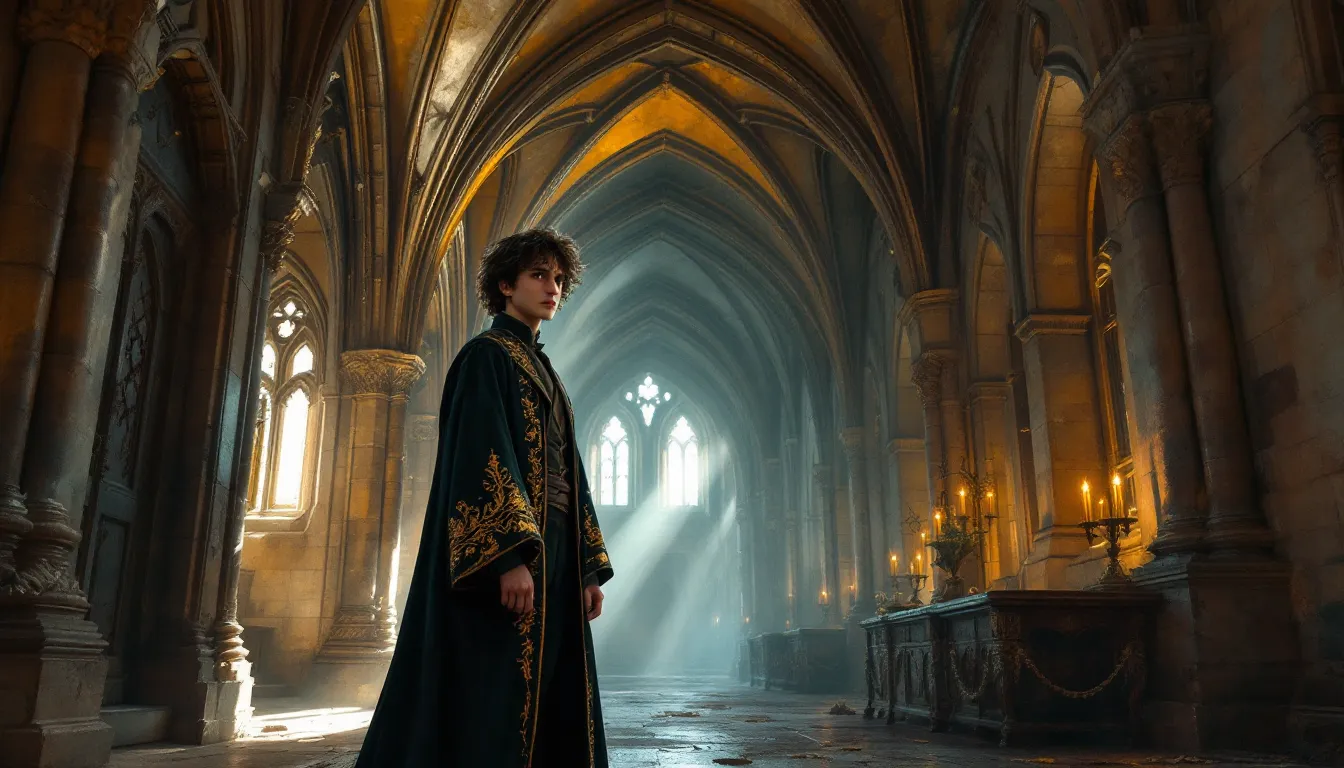
The 1800s setting directly influences the game’s visual and atmospheric design. The castle’s interiors lean into Victorian Gothic aesthetics, with heavier wood paneling, more ornate stonework, and darker color palettes than the more sterile, brightly lit castle you’d encounter in a modern era. This design choice creates a more oppressive, mysterious atmosphere that suits the Goblin Rebellion’s threatening nature.
The magical effects in the castle are less flashy than modern Wizarding aesthetics would be. Spells create visible magical energy rather than refined, contained effects. Potions brewing is more volatile and visually chaotic. Curse marks and dark magic leave visible scars on the castle’s structure, tangible evidence of magical conflict rather than neatly contained incidents. This visual language constantly reminds you that you’re in a time period where magic is less refined and more dangerous.
Questionnaire areas of Hogwarts are restricted or simply don’t exist yet. The Room of Requirement functions differently in the 1880s, it’s mysterious and unpredictable, not yet refined into the reliable tool it becomes for Harry. Certain towers are off-limits due to active magical research or structural concerns. The castle’s layout itself feels more labyrinthine and less mapped-out than the version we see in the books, creating genuine disorientation as you navigate its secrets. This design directly impacts exploration and quest progression, you’re discovering the castle’s layout alongside your character rather than following a pre-established map.
Locations That Shape Your Adventure
Beyond Hogwarts Castle, the Wizarding World in the 1880s includes familiar locations like Hogsmeade and Diagon Alley, but with notable differences from their later incarnations. These towns are still thriving magical centers, but their layouts, available shops, and overall atmosphere reflect the Victorian era. The Wizarding World feels more spread out and less densely developed than it becomes by the 1990s, with more open spaces, fewer magical conveniences, and a stronger sense of separation between the magical and mundane world.
Hogsmeade serves as a central hub for quests and exploration. The village already functions as a destination for Hogwarts students, but it’s less developed than Harry’s version. Certain iconic shops haven’t been built yet: others are newer establishments carving out their place in the magical economy. The Three Broomsticks exists, but it’s a different era of the pub, run by different proprietors. Honeydukes is there, but with less of the wide variety Harry will later enjoy. This mixture of recognizable locations and subtle historical differences keeps exploration interesting, you’re seeing how the Wizarding World’s infrastructure was built and developed.
Diagon Alley in the 1880s is more architecturally raw than its later form. The street’s magical protections are still being perfected: its position as the central hub of Wizarding commerce is still relatively new. Banks, spell shops, and potion ingredient stores exist, but the sprawling marketplace hasn’t reached the size and sophistication it will achieve over the next century. This smaller, more intimate version of Diagon Alley creates different interactions and quests than the sprawling commercial center Harry navigates.
Hogsmeade, Diagon Alley, and Beyond
Traveling between Hogwarts, Hogsmeade, and Diagon Alley requires more effort than it does by Harry’s era. Magical transportation is less convenient, Floo Network access is more limited, Portkeys are less common, and physical travel is a more significant undertaking. This creates gameplay challenges and quest structure that encourages you to plan your ventures outside Hogwarts carefully. You can’t simply pop into Diagon Alley on a whim: getting there requires preparation and meaningful travel time.
NPC interactions in these locations are shaped by your character’s outsider status and the Goblin Rebellion. Shop owners, government officials, and residents have opinions about the conflict. Some are sympathetic to goblin grievances: others are staunchly pro-wizard establishment. Your choices affect how these communities respond to you. Certain shops might refuse to serve you, while others offer discounts or special quests based on your demonstrated allegiances. The living, breathing quality of these locations stems directly from the 1880s setting’s political tensions.
Hidden Areas Reflecting the Era
Throughout the Wizarding World, hidden areas and secret locations are scattered across the landscape. Many of these are abandoned structures from earlier eras of magical history, now dangerous and unexplored due to dark magic infestation or goblin activity. The 1880s setting creates opportunities for archaeologically interesting locations, ruins of medieval wizard settlements, old goblin strongholds, and sites of historical magical battles.
Your unique ability to perceive magical threads becomes crucial for discovering these hidden areas. Places that seem unremarkable, a forest clearing, a cave system, a field, reveal themselves to have significant magical presence once you activate your special perception. These discoveries often tie directly to the Goblin Rebellion or dark magic threats, rewarding exploration with story beats and loot. The game uses the 1880s setting to justify why these significant historical locations are still undiscovered by modern Wizarding authorities. They’ve been hidden by time, overgrown, or deliberately concealed by goblin rebellion members. Your character unearths them, often with dangerous consequences.
Impact on Gameplay and Story Progression
The 1880s setting isn’t just thematic flavor, it fundamentally shapes how quests are designed and how your character progresses through the story. Unlike a generic fantasy RPG set in an ambiguous time period, Hogwarts Legacy grounds every quest in historical context. You’re not clearing dungeon areas for generic loot: you’re investigating goblin rebellion hideouts, uncovering evidence of dark magic use, and resolving conflicts rooted in specific historical tensions. This historical grounding creates narrative cohesion that transforms what could be standard quest design into meaningful, story-driven challenges.
Quest structure reflects the political complexity of the era. Unlike a straightforward “defeat the boss” progression, many quests involve navigating conflicting interests, gathering intelligence, and making choices that reveal the moral ambiguity of the conflict. The Ministry is pursuing its own agenda about the Goblin Rebellion: Ranrok’s forces are employing increasingly brutal tactics: individual characters have personal stakes and competing loyalties. Your quests often require you to choose sides, accept moral compromises, or find diplomatic solutions, reflecting the messy reality of historical conflict rather than cleanly defined good-versus-evil scenarios. This quest design philosophy is only possible because the 1880s setting establishes a complex historical moment.
Progression is also temporally bound. As your character advances through the school year, the rebellion escalates. The urgency intensifies throughout the game, early quests might seem like investigations or intelligence-gathering missions, but by the end, you’re directly engaged in magical warfare. This escalation mirrors real historical events: tensions build, rhetoric hardens, and what begins as political maneuvering transforms into open conflict. The pacing feels organic because it’s driven by historical inevitability rather than arbitrary game progression.
How Time Period Influences Quest Design
The 1880s setting limits your available tools and magical knowledge, which directly impacts how you solve quests. Certain puzzles require spells that don’t exist in this era, forcing you to find alternative solutions. Some challenges can be overcome through sheer magical power (which you eventually develop), but early quests require creative thinking because you lack the advanced magic you’d have in later years. This mechanical difficulty curve is justified by the timeline, your character is educationally behind their peers, so early challenges deliberately push you to innovate rather than simply access a wider spell selection.
NPC-driven quests feel grounded in the historical moment. Characters you meet have concerns specific to the 1880s, they’re worried about goblin attacks, seeking protection from dark magic, or trying to expose government corruption. The quests they offer involve investigating dark wizards, gathering evidence against the rebellion, or recruiting allies. These missions naturally fit the story’s scope and political landscape. You’re never asked to retrieve a magical artifact “just because”, every fetch quest has context within the broader conflict.
Faction reputation systems are built around your character’s alignment with different groups. Your decisions in quests determine how the Ministry, goblin rebel sympathizers, and other factions perceive you. By the late game, some quests might be inaccessible based on your earlier choices, if you’ve sided too heavily with one faction, opposing groups won’t work with you. This consequence-driven quest design feels authentic to a period of civil conflict where neutrality becomes increasingly impossible.
Magical Conflicts Unique to This Era
The dark magic threats you face throughout the 1880s are specific to this historical moment. Ranrok’s forces employ blood curses, ancient goblin magic, and experimental dark arts that don’t appear in later Wizarding history. These threats feel dangerous in ways that standard dark wizardry doesn’t, they’re volatile, poorly understood, and sometimes impossible to fully counteract with your current magical knowledge. Boss fights and major combat encounters are designed around these unique magical challenges rather than recycled dark magic tropes from later time periods.
The Goblin Rebellion introduces magical conflicts built around goblin abilities and traditional goblin magic, which operates differently than wizard magic. Goblins have natural affinity for certain forms of magic that wizards must learn through study. This creates strategic diversity in combat, some enemies use magic you can predict and counter, while others employ goblin magic that requires different tactical approaches. Your spellcasting abilities are powerful, but they’re not universally superior to all magical threats, forcing you to develop varied tactics based on opponent type.
Environmental hazards tied to dark magic create additional complexity. Curse-infected areas damage you over time. Ancient magic structures operate according to rules you must decipher. Blood magic rituals create magical phenomena that standard spells can’t simply dispel. These unique magical challenges make encounters feel grounded in the 1880s setting rather than generic fantasy combat. The game uses the time period to justify why combat encounters feel mechanically distinct from what you’d experience in other Wizarding World games set in different eras. The game employs visual comprehensive Hogwarts Legacy resource guides available at forum-22.com.
The progression of magical threats mirrors historical escalation. Early game encounters are smaller-scale, dark wizards experimenting with forbidden magic, isolated goblin rebels, cursed locations. As the game progresses, these threats merge into the larger Goblin Rebellion movement. The final confrontations feel like genuine climaxes to a historical conflict rather than arbitrary boss battles. This narrative structure is only achievable because the 1880s setting establishes clear historical progression toward the rebellion’s inevitable escalation.
Conclusion
Hogwarts Legacy’s 1880s setting is far more than window dressing, it’s the foundation that makes the entire game work. By placing you roughly a century before Harry Potter’s arrival at Hogwarts, the developers created space for an original story that doesn’t require Voldemort’s presence or familiar character cameos. Instead, you’re experiencing the Wizarding World at a different historical moment, dealing with conflicts and challenges that feel unique to your era while remaining grounded in established canon.
The time period you explore, when Ranrok’s Goblin Rebellion forces Hogwarts into crisis and dark magic threatens the institution’s very foundation, creates gameplay and narrative challenges that wouldn’t be possible if you were following Harry’s timeline. Your fifth-year protagonist, your unique magical abilities, the political complexity of the rebellion, and the architectural differences throughout Hogsmeade and Diagon Alley all spring from this deliberate historical positioning. The 1880s setting gives you a fully formed, internally consistent world that feels like genuine Wizarding history rather than an alternate timeline.
Understanding when Hogwarts Legacy takes place, how its timeline connects to the broader Harry Potter universe, and why the 1800s matters contextually transforms your experience as you progress through the game. You’re not just completing quests and collecting spells, you’re participating in a specific historical moment that shaped the Wizarding World for generations. That historical weight, combined with strong character development and morally complex storytelling, is what makes the 1880s setting resonate throughout every aspect of your adventure. Whether you’re exploring the castle’s mysteries or confronting Ranrok’s forces, the game’s timeline constantly reminds you that you’re making choices in a turbulent historical moment with lasting consequences.


