Table of Contents
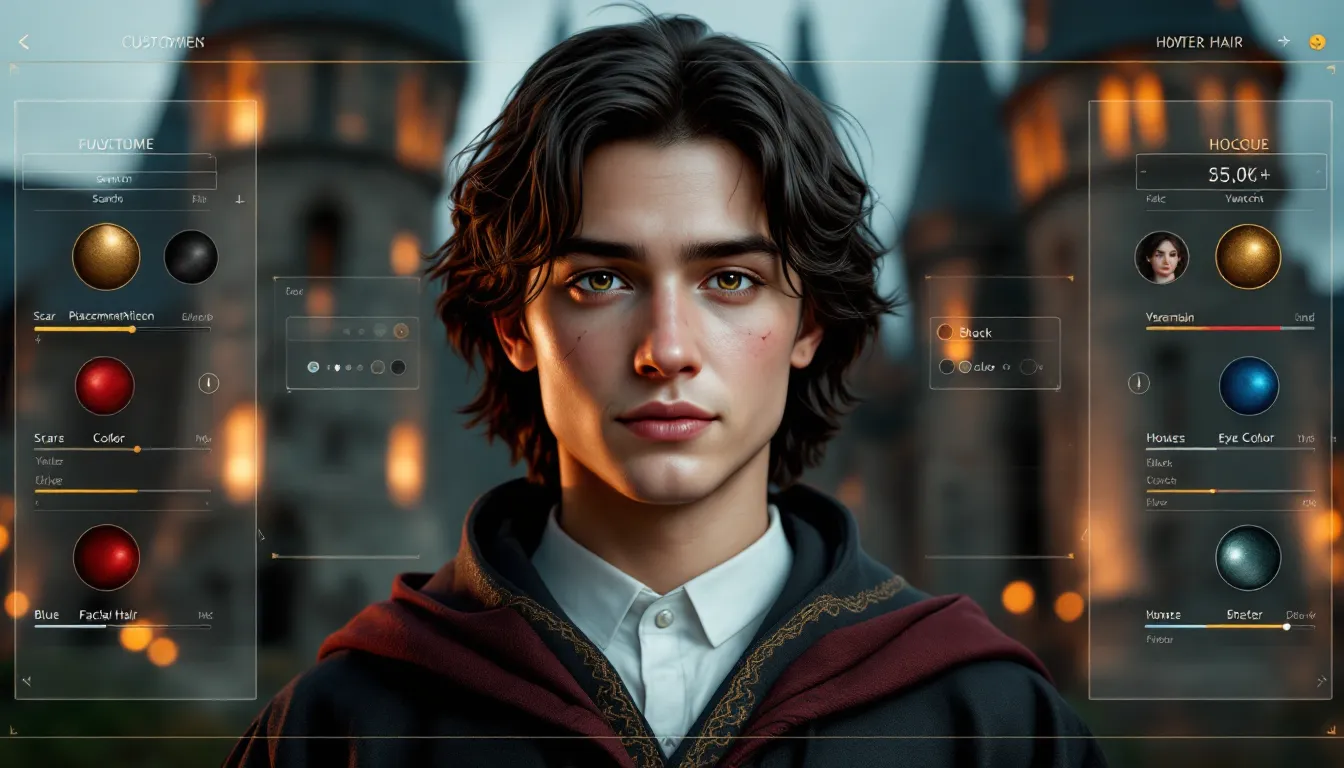
ToggleThe moment you boot up Hogwarts Legacy, you’re faced with one of the most detailed character creation systems in gaming today. Before you set foot in Ollivander’s Wand Shop or receive your acceptance letter, you’re making decisions that’ll define your entire wizarding experience. Whether you’re recreating yourself as a Slytherin scholar or building an off-meta Hufflepuff duelist, every slider, toggle, and color picker matters. The character you create isn’t just a face in the crowd, it’s the hero of your story in the 1800s wizarding world. This guide walks you through every customization option available in 2026, helping you craft a character that’s not just visually cohesive but genuinely yours.
Key Takeaways
- Hogwarts Legacy character creation offers deep customization across facial features, body type, hair, and robes—invest 30-45 minutes to design a character you’ll enjoy for 80+ hours of gameplay.
- Your House choice determines exclusive spell trees, robes, and aesthetic direction, but pick based on playstyle and roleplay preference rather than gameplay meta advantages.
- Create visual cohesion by matching your character’s appearance—face shape, skin tone, hair color, and robes—to a clear concept; avoid extreme slider values that create uncanny or unrealistic results.
- Facial customization receives the most screen time since you’ll wear House robes constantly, so prioritize distinctive features like scars, glasses, and facial hair that tell a subtle story.
- Don’t rush character creation decisions, particularly robe colors you’ll wear for 20+ hours; test combinations in the preview and understand that cosmetic outfit alternatives unlock later through progression and quests.
- Align your character’s appearance with your intended playstyle—menacing features for aggressive DPS builds, softer features for support roles—to create psychological consistency between visual design and combat approach.
Picking Your House and Background
Understanding House Traits and Gameplay Impact
Your House choice is the first major decision in Hogwarts Legacy character creation, and it’s more than just cosmetic preference. Each House, Gryffindor, Slytherin, Hufflepuff, and Ravenclaw, unlocks exclusive spell trees, robes, and common room aesthetics. Here’s what matters: Gryffindor leans into offensive magic and physical courage: Slytherin excels at cunning curses and dark magic (without locking you out of good spells): Hufflepuff gets the best defensive and healing options: Ravenclaw offers the most balanced spellcasting toolkit.
Gameplay-wise, the differences are primarily cosmetic and roleplay-driven. You won’t find the meta advantage locked behind one House, the best builds in Hogwarts Legacy use spells from multiple trees regardless of affiliation. That said, if you’re committed to a specific playstyle (pure DPS, tank-support hybrid, curse specialist), your House robes and exclusive spell tree will feel thematically aligned. The real advantage? Immersion. Playing a Ravenclaw student while dumping all your spell slots into healing is narratively awkward, even if mechanically sound.
For most players, House choice should match playstyle or roleplay fantasy. If you’re torn, Hogwarts Legacy Sorting Hat, though the actual in-game Sorting is optional, you can pick your House manually.
Selecting Your Character’s Background Story
Hogwarts Legacy offers limited but meaningful background options that contextually explain why you’re joining Hogwarts as a fifth-year student. Your character is a late admission (a core plot point), and the game gives you choices about who you were before magic.
The background options are:
- Muggle-born: You grew up with no magical knowledge. NPCs will occasionally reference this, adding flavor to dialogue.
- Half-blood: One parent was magical: you have some familiarity with the wizarding world.
- Pure-blood: You were raised in a magical family, knowing wizarding culture from birth.
These choices don’t dramatically alter quests or spell availability, they’re flavor-driven. But, they do affect NPC dialogue, character perspective, and how you roleplay your character’s knowledge gaps. A Muggle-born student will have different reactions to seeing their first Transfiguration spell versus a Pure-blood who’s watched magic their entire life.
Pick the background that aligns with your character’s story, not min-maxing potential. The game respects your choice through dialogue and cutscenes, making your background meaningful without gating content. Your background pairs with your House to create a complete wizarding identity, so think about how they complement each other before locking in.
Customizing Your Wizard’s Appearance
Facial Features and Head Shape
The facial customization in Hogwarts Legacy is granular. You’re not choosing from preset faces: you’re adjusting specific features. The face shape slider controls your character’s overall head geometry, round, angular, or anything between. This foundation matters because everything else builds on it.
Once you’ve settled on face shape, you adjust individual features: nose size and shape, cheekbone prominence, jaw definition, forehead structure, and chin projection. These aren’t locked to presets either, you’re sliding each one independently, giving you thousands of combinations. The UI lets you preview changes in real-time, so you can see how a wider nose works with your chosen face shape before committing.
A critical tip: extreme values look uncanny. Most polished characters use moderate to mild adjustments, matching proportions you’d see in real populations. If you want a memorable character design, pick one or two distinctive features (a prominent nose, a wide jaw, high cheekbones) and keep everything else balanced. This creates visual interest without the “I spent three hours in character creation” jarring effect.
Hair, Eyes, and Skin Tone Options
Hair customization offers a solid variety of styles (roughly 30+ options across lengths and textures) and a full spectrum of colors. You’re not limited to realistic hair colors, fantasy hues like silver, purple, and deep red are available. The beauty here is the combination: you pick a hairstyle, then independently colorize it. A long wavy cut can be jet black, auburn, platinum blonde, or deep purple depending on your vision.
Eye color is equally flexible. Beyond standard colors (brown, blue, green, hazel), you get fantasy options like violet and amber. Eye size also adjusts, letting you create wide-eyed innocence or narrowed cunning.
Skin tone runs the full diversity spectrum, there’s no limiting slider here, and the range is genuinely inclusive. You can achieve warm, cool, or neutral undertones regardless of base darkness level. Don’t underestimate skin tone’s impact on overall aesthetic: a cool-toned skin pairs differently with platinum hair than a warm-toned complexion does.
One practical note: these options look best when they’re internally consistent. A character with cool-toned purple hair, cool skin, and violet eyes creates visual harmony. Mix warm and cool tones haphazardly, and your character reads as discordant, even if technically impressive. Test how your choices interact in the preview lighting before finalizing.
Body Type, Gender, and Voice Selection
Hogwarts Legacy separates body type and gender, which is genuinely progressive. You can select from multiple body builds (slim, athletic, curvy, broad-shouldered, stocky) independently of your character’s gender presentation and voice. This means you’re not locked into gendered body expectations, a woman can have broad shoulders and a masculine build, or a man can be slender and delicate.
Voice selection pairs with gender presentation. There are masculine, feminine, and neutral voice options, each with different accent flavors (British, American, etc.). The voice plays during character actions, spell casting, and certain dialogue moments, so don’t pick one you’ll find grating after 80 hours of gameplay.
Body type affects how robes and armor sit on your character. A stockier frame wears bulky robes differently than a lithe frame, the geometry actually matters. If you’re planning to farm specific cosmetic outfits later in the game, consider how your build will showcase them. A athletic frame shows off fitted robes: a curvy frame works beautifully with flowing designs: a broad-shouldered build commands presence in heavier armor aesthetics.
This is where you’re building the silhouette of your character. Someone might have the same face as your character, but different body type and gender presentation makes them entirely different people.
Fine-Tuning Your Physical Traits
Scars, Marks, and Distinctive Features
Scars and marks add gravitas to your character. Hogwarts Legacy offers various scar placements (face, body, multiple), scar types (sharp, jagged, surgical, old), and opacity levels. A single prominent facial scar signals a lived history: multiple marks suggest a warrior’s journey.
Beyond scars, you can add birthmarks, freckles, beauty marks, and face paint designs. Freckles across the bridge of the nose and cheeks add youthfulness: strategic beauty marks create elegance: face paint (tattoo-like designs) can reinforce your House affiliation or personal aesthetic. These aren’t major gameplay changers, but they’re the difference between a generic student and a character with history.
Consider narrative consistency: if your character is a first-time student joining mid-year, heavy combat scars feel inconsistent. Light marks, minor scars, or cosmetic paint make more sense. If you’re roleplaying a hardened warrior (maybe a secret Auror apprentice?), then battle scars and weathered features create believable backstory.
The key is restraint. One or two distinctive marks create memorable characters: covering your face in overlapping scars reads as overdone. Let the marks tell a subtle story.
Accessories and Facial Hair Customization
Facial hair (beard styles, stubble intensity, goatees, soul patches) adds another layer of personality. Rogueish characters sport stubbled chins: scholarly types might be clean-shaven: edgy antiheroes rock full beards. The game offers realistic facial hair styles rather than fantasy extremes, keeping them tasteful across various character archetypes.
Accessories include glasses, scars (revisited here for placement tweaks), and other facial adornments. Glasses don’t affect vision in-game, they’re purely cosmetic, but they absolutely shift how your character reads. Thick-framed glasses scream bookish: sleek frames suggest sophistication: round John Lennon styles invoke whimsy.
Here’s a nuance worth noting: your character wears robes almost constantly in-game, so facial customization gets more screen time than body type. Invest here. Make your face distinctive and memorable because it’s what you and other players will see most during gameplay.
Facial hair and accessories should complement your face shape and features. A character with a sharp, angular face might look stern with a full beard but roguish with sharp stubble. A round face works beautifully with glasses, adding definition. Test combinations in the preview before committing.
Robe Colors and Early Outfit Selection
House Robes and Color Schemes
Your House determines your default robes’ base color scheme. Gryffindor sports scarlet and gold: Slytherin claims emerald and silver: Hufflepuff displays yellow and black: Ravenclaw showcases blue and bronze. Within each House, you customize the exact hues. Gryffindor scarlet can be deep burgundy or bright crimson: Slytherin emerald can be forest-dark or jewel-bright.
The robe customization is genuinely sophisticated. You adjust primary color, secondary trim color, and accent brightness. This means two players in the same House can have visually distinct robes based on their color preferences. A Gryffindor might choose deep burgundy with muted gold trim for a sophisticated look, while another opts for vibrant scarlet with bright gold for boldness.
Pro tip: colors look different under Hogwarts’ various lighting conditions. The castle’s warm torchlight shifts how colors appear compared to the preview screen. If you want your robe colors to match your character’s skin tone and hair, test them in different locations before finalizing. The dungeons have different lighting than the tower astronomy classroom.
Your House robes are locked to your House choice, but Hogwarts Level-Up guides mention, so don’t stress if you dislike your House robes initially.
Unlocking Additional Outfit Customization
During character creation, your outfit options are limited to House robes. But, Hogwarts Legacy’s gear system eventually lets you change your appearance independent of stats. Cosmetic robes, house-neutral outfits, and fashion-forward designs unlock through progression, side quests, and activities.
What you choose during creation sets your starting aesthetic. Some players deliberately pick colors they’ll dislike to force themselves to hunt for better gear early. Others pick robes they love because they’ll be staring at them for 20+ hours before cosmetic alternatives drop.
One important clarification: your robe color can be customized during creation, but your robe style is locked to your House. Gryffindor students wear Gryffindor-cut robes, period. You can’t swap to Slytherin’s silhouette just by changing colors. This is a hard lock based on House choice.
Fortunately, the cosmetic outfit system is robust enough that you won’t be stuck in House robes forever. If your character creation robe colors end up looking less impressive in-game than expected, diverse outfit options become available through the Hogsmeade clothing shops and quest rewards.
Advanced Customization Tips and Strategies
Creating a Cohesive Character Aesthetic
Mastering Hogwarts Legacy character creation is about visual coherence. Your character’s face, body, hair, skin tone, scars, and robes should feel like they belong together.
Start with a concept. “Studious Ravenclaw with a mysterious past” → cool-toned pale skin, sharp facial features, slicked-back black hair, subtle scar, blue robes with silver accents. “Cunning Slytherin purebloods” → warm golden skin, chiseled features, sleek dark hair, elegant robes in deep emerald. “Earnest Hufflepuff athlete” → warm medium skin, open friendly face, tousled blonde hair, athletic build, yellow and black robes.
Once you have a concept, every slider serves that concept. Don’t randomly maximize cheekbones because they look cool, only if your concept calls for sharp features. Don’t pick purple hair unless it genuinely fits. Restraint is the mark of polished character design.
Color theory matters. If your character has warm-toned skin, warm-toned hair colors (golds, coppers, warm browns, burgundies) complement each other. Cool-toned skin favors cool hair (silvers, cool blacks, ash browns, icy blondes). Mixing warm and cool tones deliberately can look avant-garde or accidental depending on execution. Most cohesive characters stick to one temperature.
Test your character in different game areas before finalizing. Hogwarts’ varied lighting will reveal whether your color choices work universally or just look good in the creator’s preview screen.
Building a Character That Matches Your Playstyle
This is where character creation transcends cosmetics. Your character’s appearance should feel aligned with how you’ll actually play.
If you’re planning an aggressive DPS build spamming curses, your character should look menacing, sharp features, a scar, perhaps a hard expression. A healing-focused supportive character might be designed with softer features, warm coloring, and an approachable demeanor. A tank character who absorbs damage benefits from a stockier, broader build that visually communicates resilience.
These aren’t hard rules, you can absolutely play a gentle-looking Slytherin curse-slinger or a intimidating pacifist Hufflepuff. But there’s psychological comfort in playing characters whose appearance matches their role. When your ruthless duelist character looks ruthless, spell rotations feel more organic.
Consider how cosmetic options you choose will feel after 100+ hours. A character with extreme facial features might feel striking in hour one and distracting by hour 80. Balanced characters with one or two signature features tend to age better in gameplay. Hogwarts Legacy’s hidden achievements showcase character diversity, and many involve playing differently than expected, having a character whose look is flexible enough to support multiple playstyles prevents feeling pigeonholed.
One final consideration: respec mechanics exist for spells and talents, but character appearance is permanent unless you start a new save. Invest time in creation because you’re committing to this face for your entire playthrough.
Common Mistakes to Avoid During Creation
Maximizing sliders for “cooler” results. The temptation to push every slider to extremes is real. A nose three sizes too large, cheekbones impossibly sharp, or eyes unnaturally wide create uncanny results. Moderation creates believable characters: extremes create cartoons. Use 30-70% of each slider’s range unless deliberately pursuing a stylized look.
Ignoring lighting and preview limitations. The character creator’s preview lighting is flattering and uniform. In-game, Hogwarts has warm dungeons, cool towers, and varied outdoor light. Colors shift significantly. What looks perfect in preview might clash in actual gameplay. If possible, test colors in different environments before finalizing (some games let you preview in-game: Hogwarts Legacy doesn’t, so extrapolate).
Picking House robes you dislike. You’ll wear them for 20+ hours minimum. If you pick colors you don’t enjoy because the slider layout confused you, you’re stuck with that decision. Spend an extra 10 minutes getting robe colors right. It matters disproportionately to your experience.
Overthinking voice selection. Players often agonize over voice pitch and accent. Here’s reality: you’ll rarely notice your character’s voice once you’re playing. NPCs’ voices dominate dialogue. Pick a voice that doesn’t actively annoy you and move forward. Don’t spend 30 minutes on a decision that’ll occupy 2% of your attention.
Creating a character that doesn’t match your vision because the UI confused you. The character creator has a learning curve. Sliders are sometimes counterintuitive, and color pickers might not work as expected initially. If your result doesn’t match your vision, start over. It’s one hour to redo, versus 100 hours regretting your character’s appearance.
Matching character appearance to real people without permission. If you’re creating a character resembling a real person (streamer, friend, celebrity), make sure it’s not so recognizable that it becomes weird. Capturing someone’s essence differently is fine: pixel-perfect recreation of your friend’s face is creepy and might violate platform terms of service.
Forgetting about cosmetic outfits later. New players sometimes assume their House robes are permanent. They’re not, cosmetic outfit diversity is substantial in Hogwarts Legacy. If you picked robes you tolerate but don’t love, better options are coming. This reduces pressure on robe color selection, though it doesn’t eliminate the 20-hour commitment to your default outfit.
The single biggest mistake? Rushing character creation because you’re eager to start playing. Those 30-45 minutes of careful customization determine what you’ll see for 80+ hours. Slow down, test combinations, and commit to a character you’re genuinely excited about. External sources like comprehensive have character build guides that might inspire your creation, but eventually, your vision matters most.
Conclusion
Hogwarts Legacy’s character creation system rewards careful attention. Your House choice sets your thematic direction and spell access: your appearance defines your character’s identity: your cosmetic selections establish visual consistency from day one. The system isn’t overly complex, but it’s detailed enough that the difference between a memorable character and a forgettable one comes down to intentional choices.
The best approach combines roleplay vision with practical considerations. Pick a House that matches your playstyle, design a face and body that feel cohesive, select scars and accessories that tell a subtle story, and commit to robe colors you’ll enjoy wearing for dozens of hours. Don’t maximize every slider chasing “realism” or “uniqueness”, restraint and balance create characters that age well in gameplay.
Your character is your avatar in the 1800s wizarding world. Spend the time to make them yours, not a generic student. Once you’ve locked in your appearance and stepped out of Ollivander’s Wand Shop, the adventure begins, but it’ll be so much richer when the character you’re controlling is someone you genuinely care about. The time invested in character creation pays dividends across your entire Hogwarts Legacy experience.