
Table of Contents
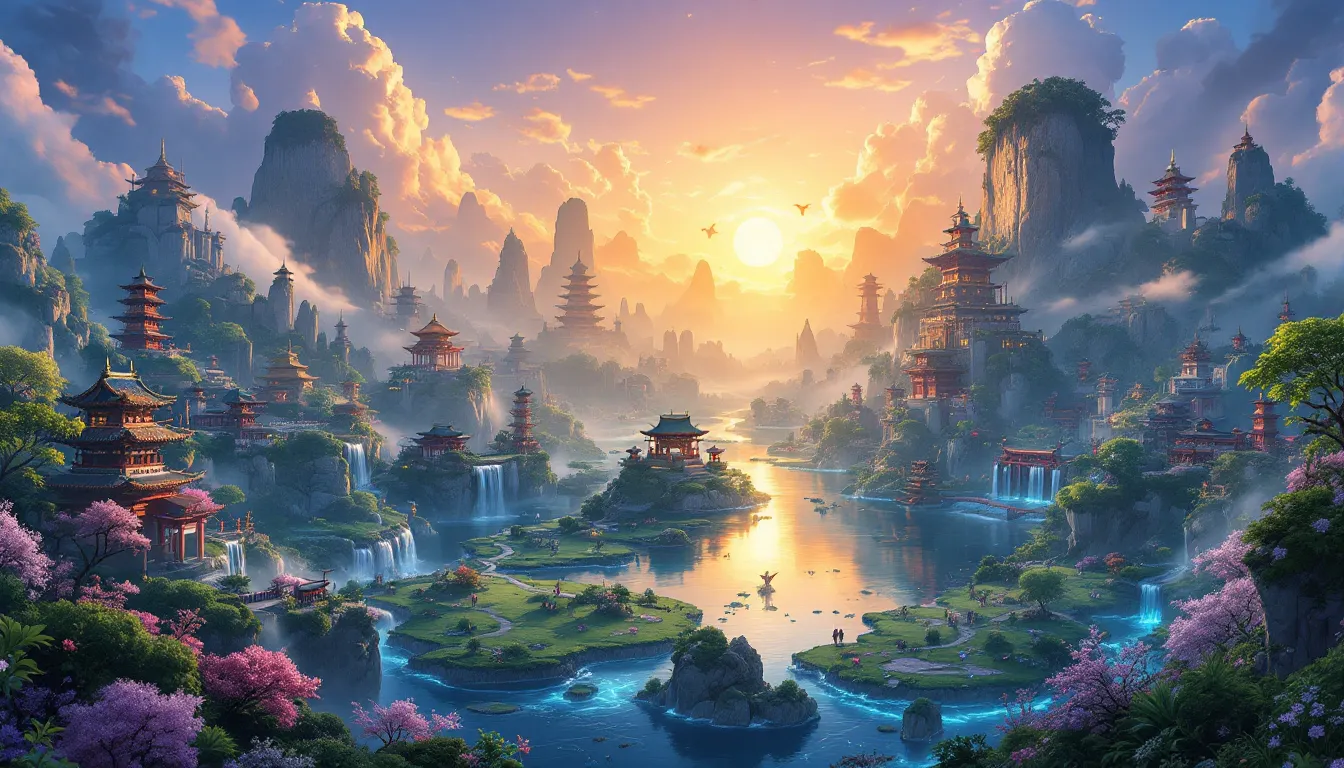
ToggleGenshin Impact has evolved into far more than just another action RPG, it’s become a playground for those who appreciate stunning visual design and meticulously crafted worlds. Since its launch in 2020, HoYoverse has consistently delivered jaw-dropping landscapes that rival some of the most beloved open-world games on the market. From the windswept cliffs of Mondstadt to the underwater kingdoms of Fontaine, Teyvat’s regions aren’t just backdrops for combat and puzzle-solving: they’re destinations worth exploring for their own sake. Whether you’re a casual player who gets lost in the scenery or a completionist hunting for every chest and collectible, the visual depth of Genshin Impact’s world design stands out as one of its strongest assets. This guide walks through each major region’s signature landscapes, architectural styles, and photo opportunities, everything you need to understand why players spend hours just wandering and taking screenshots instead of rushing through quests.
Key Takeaways
- Genshin Impact’s landscape design combines dynamic lighting systems, weather conditions, and architectural diversity to create visually distinct regions that feel alive and worth revisiting repeatedly.
- Each region—from Mondstadt’s Alpine aesthetics to Fontaine’s Art Deco elegance—reflects unique cultural influences and gameplay mechanics that integrate beauty with functional exploration and progression.
- Golden hour and blue hour lighting conditions dramatically transform how Genshin Impact’s scenic locations appear, making strategic timing essential for photography and immersive exploration experiences.
- The integration of visual design with gameplay mechanics ensures that stunning landscapes aren’t merely cosmetic; they contain puzzles, resources, and discoverable content that reward thorough exploration.
- Genshin Impact’s world of Teyvat demonstrates that games can achieve excellence simultaneously as engaging systems and beautiful art pieces, with landscape design proving central to long-term player engagement beyond combat encounters.
What Makes Genshin Impact’s World Design Stand Out
Genshin Impact’s approach to world design differs fundamentally from most live-service games. Rather than cramming areas with quest markers and UI clutter, HoYoverse prioritized visual coherence and exploration reward. Each region feels geographically distinct, Mondstadt’s rolling grasslands don’t blend into Liyue’s jagged peaks or Sumeru’s dense rainforest canopy. This intentional separation creates memorable silhouettes that players recognize instantly.
The lighting system deserves specific mention. Dynamic time cycles and weather conditions genuinely transform how landscapes look throughout a day. Monstadt at sunrise hits differently than at dusk. Fontaine’s water reflections shift based on cloud cover. These aren’t just cosmetic tweaks: they’re carefully engineered details that make the world feel alive and worth returning to repeatedly.
Architectural diversity also plays a massive role. Mondstadt borrows from German and Northern European aesthetics with stone castles and Alpine architecture. Liyue channels classical Chinese design with pagodas and sweeping rooflines. Inazuma draws heavily from Japanese shrine culture. Sumeru blends Middle Eastern, Indian, and tropical influences. Fontaine leans into Art Deco and Baroque opulence. Rather than feeling disjointed, these distinct styles make each region immediately identifiable while reinforcing the game’s core concept: Teyvat as a world where different civilizations developed independently.
Player agency in exploration also sets Genshin Impact apart. Unlike quest-driven games that funnel players along predetermined paths, Genshin encourages wandering. You can climb any mountain, swim across any water, glide from any cliff. This freedom means discoveries feel earned rather than handed out, and scenic viewpoints become personal milestones rather than checkbox moments. When you find a hidden valley tucked between two peaks, it feels like your discovery, not the game’s.
The integration of gameplay mechanics into landscape design creates practical reasons to explore visually stunning areas. Puzzles are hidden within scenic chambers. Elemental properties (like Cryo shards in snowy regions or Pyro mechanisms in desert zones) tie environmental storytelling to gameplay progression. This seamless blend between aesthetics and function is where Genshin Impact truly excels, beauty isn’t separate from the game: it’s fundamental to how the game works.
Mondstadt: The Windy Realm of Freedom
Mondstadt serves as Genshin Impact’s first major region and remains the gold standard for introduction level design. It’s visually welcoming, rolling hills, clear skies, and abundant greenery create an almost fantasy storybook aesthetic. The Anemo region feels fundamentally different from what comes later, and that’s intentional. HoYoverse designed Mondstadt to be accessible while still offering visual surprises.
The architecture borrows heavily from Germanic and Alpine traditions. Mondstadt City’s stone buildings and clocktower give the impression of a bustling medieval settlement. The Knights of Favonius headquarters uses fortified castle design. Even smaller camps and farms maintain architectural consistency through slate roofing and wooden beam construction. Walking through the city feels less like visiting a video game location and more like stepping into a Brothers Grimm illustration.
Daylight cycling in Mondstadt hits particularly hard. Morning light casts long shadows across the fields, emphasizing elevation changes. Midday flattens colors but increases visibility for long-distance sightseeing. Dusk bathes everything in warm orange tones that make even basic farmland look cinematic. If you haven’t spent time just sitting on a hillside watching the sun move across Mondstadt’s sky, you’re missing out on what makes landscape-focused gameplay special.
Windmill areas scattered throughout add whimsical touches that break up the otherwise grounded aesthetic. Waterfalls cascade down from higher elevations. Small villages and shrines tucked into valleys reward off-path exploration. The density of discoverable content (waypoints, viewpoints, Oculi, treasure chests) ensures that visual exploration directly translates to progression rewards.
Stormterror’s Lair and Dragon Spine Mountains
Stormterror’s Lair dominates Mondstadt’s eastern landscape as an imposing Gothic structure. The dragon’s domain uses architectural elements that feel alien to the rest of Mondstadt, sharp angles, dark stone, foreboding atmosphere. Flying toward it for the first time creates genuine awe: the scale shifts visibly as you approach, and the corruption of the land around it (withered trees, scorched earth) tells a story of damage and decay without explicit explanation.
Dragon Spine Mountains present a stark visual shift within Mondstadt itself. Moving from green valleys into snow-capped peaks feels like entering a different region entirely, which is exactly the point. Sheer Cold mechanics tie directly to environmental storytelling, the mountains are hostile not just mechanically but aesthetically. Gray stone, perpetual snow, frozen waterfalls, and sparse vegetation create a genuinely unwelcoming vibe that contrasts sharply with Mondstadt’s otherwise friendly tone.
The Dragonspine area introduces verticality that earlier Mondstadt sections lack. Cliffs here are sharper, slopes steeper, navigation more challenging. This creates opportunities for dynamic camera angles and dramatic sightlines. Looking down from a high peak toward the valley below captures that iconic video game landscape moment, where the world suddenly feels vast and the player feels small.
Starfell Valley and Whispering Woods
Starfell Valley represents peak Mondstadt aesthetics. Open grasslands with scattered trees create a Serengeti-like feel unusual for the region. The valley’s name comes from meteorite impact events visible in the landscape, ancient craters and impact sites add geological interest to otherwise rolling terrain. The clear skies and unobstructed sightlines make it perfect for photography, especially during golden hour.
Whispering Woods lives up to its name through dense forest canopy and winding paths. Tall trees create natural corridors that guide exploration. Sunlight filtering through leaves creates dappled shadows and warm lighting. Compared to Mondstadt’s open fields, the woods feel intimate and secretive. Hidden groves and clearings reward players who take time to explore thoroughly rather than rushing through.
Both areas exemplify Mondstadt’s core design philosophy: visually distinct sub-regions within a cohesive aesthetic. The transitions feel natural, forests graduate into fields, fields rise into mountains, rather than abrupt zone changes. This seamless flow makes wandering feel less like moving between game areas and more like genuine exploration.
Liyue: Ancient Beauty and Towering Peaks
Liyue represents a dramatic visual escalation from Mondstadt. Where Mondstadt emphasizes horizontal traversal across rolling terrain, Liyue introduces extreme verticality. Towering rock formations, floating islands, and dramatic elevation changes create a landscape that feels genuinely alien compared to Mondstadt’s relatively grounded aesthetic.
Architecturally, Liyue channels classical Chinese design with precision. Red lanterns, pagodas, curved rooflines, and ornamental gates establish cultural identity immediately. The Jade Chamber floating above Liyue Harbor serves as an iconic landmark visible from vast distances, it functions like a visual anchor that players can orient themselves toward. Liyue Harbor itself uses traditional port city design: warehouses, docks, merchant stalls, and residential buildings stacked efficiently to maximize space while maintaining aesthetic appeal.
Color palette shifts noticeably in Liyue. Warmer earth tones, golden sunlight bouncing off stone, and the omnipresent red lanterns create a warmer, more inviting atmosphere than Mondstadt’s cooler greens and blues. Yet Liyue simultaneously feels more exotic and less immediately relatable, players recognize it as foreign in a way that enhances its appeal.
Cliff formations in Liyue reach genuinely impressive heights. The sheer rock walls, impossible-seeming balanced boulders, and gravity-defying floating islands create a landscape that feels like fantasy while maintaining visual consistency. Every major formation serves navigation and landmark functions, you learn to recognize the journey by distinctive peaks and silhouettes.
Jueyun Karst and The Chasm
Jueyun Karst represents some of Genshin Impact’s most visually striking landscape design. Massive limestone formations (karst topography, hence the name) create a landscape of towering columns and deep valleys. The terrain feels almost alien, geometric perfection without feeling artificially constructed. Mist frequently rolls through the valleys, adding atmospheric depth and obscuring distant features in a way that encourages continued exploration.
The karst formations create natural corridors and hidden valleys. Areas that appear unreachable from one angle become accessible from another. Waterfall-fed lakes nestle between stone formations. Vines and vegetation cling to cliff faces. These natural features create photo opportunities that feel authentically discovered rather than developer-placed.
The Chasm introduced underground exploration in Genshin Impact, creating an entirely new visual aesthetic. Bioluminescent crystals light underground caverns in ethereal blues and purples. Underground lakes reflect these lights, doubling the visual impact. Crystal formations grow organically from cavern walls, creating alien-looking geological formations. The shift from surface to underground feels like entering a completely different world, which is precisely the intended effect.
The contrast between The Chasm’s dark blues and purples versus Jueyun Karst’s earthy browns and greens creates visual breathing room. Players who explore both areas in succession experience genuine landscape variety rather than subtle shading differences.
Liyue Harbor and Qingce Village
Liyue Harbor functions as Liyue’s cultural and commercial heart. The densely packed architecture, busy docks, and prominent landmarks (Jade Chamber, Exquisite House, funeral parlor) create a lived-in city feel. NPC placement, shop stalls, and architectural details make it feel like an actual functioning city rather than a game location. The harbor’s layout naturally funnels players through key areas while maintaining multiple pathways and shortcuts.
The water in Liyue Harbor plays an underrated role in visual appeal. Reflections bounce off the harbor’s surface, doubling the complexity of the visual composition. During sunset, golden light transforms the water into molten gold. During storms, the churning darker tones create dramatic atmosphere. The water feels less like a blue game asset and more like an actual environmental feature.
Qingce Village offers rural contrast to Liyue Harbor’s urban sprawl. Terraced farming creates horizontal lines that contrast with Liyue’s vertical focus. Traditional houses with curved rooflines dot the hillsides. The slower pace and smaller scale make it feel intimate compared to the harbor’s bustle. It’s the kind of location players discover and return to for photography and contemplation rather than quest progression.
Both areas strengthen Liyue’s visual identity while offering distinct moods. The harbor represents civilization and order: the village represents tradition and harmony with nature. Together, they create a region with genuine visual diversity even though maintaining cohesive cultural aesthetics. Players exploring Genshin Impact Regions experience these differences across all available content, making region-specific exploration feel genuinely rewarding.
Inazuma: Thunder Islands and Eternal Beauty
Inazuma represents HoYoverse’s most ambitious landscape design to date. The electro region doesn’t just look visually distinct, it feels fundamentally different to traverse and explore. Thunderstorms roll through constantly. Purple electricity arcs between islands. Fog obscures distant features. The atmosphere is thick, claustrophobic in places, and genuinely disorienting in the best way.
Japanese shrine culture dominates Inazuma’s architecture. Torii gates mark sacred spaces. Wooden shrines with characteristic curved rooflines define settlements. Cherry blossom trees, even when not in bloom, establish cultural identity. Red lanterns match Liyue’s aesthetic but take on different significance in Japanese design traditions. Ornamental walls, stone lanterns, and meditation gardens add refinement to even basic structures.
Color and lighting shift dramatically in Inazuma. Purples and dark blues dominate due to persistent storm atmosphere. When sunlight breaks through clouds, it creates dramatic contrast. The electro effect (constant purple arcing) is visually expensive but pays dividends, you feel the danger and power of the region through pure visual language. Other regions feel safer: Inazuma feels perpetually on the edge of chaos.
Island-based geography forces different exploration patterns. You can’t just wander in cardinal directions: you must navigate water, find shortcuts through cave systems, or use specific mechanics (like Thunder Barriers requiring elemental reactions) to progress. This creates more intentional exploration, players can’t accidentally stumble into a higher-level area as easily. The vertical architecture of islands (cliffs, towers, pagodas stacked higher than Liyue) requires constant camera angle adjustments.
Narukami Island and Sakura Forests
Narukami Island serves as Inazuma’s cultural heart. The Grand Narukami Shrine dominates the island’s highest point, visible from vast distances. The shrine uses traditional Japanese religious architecture: massive stone torii gates, multiple shrine buildings, ornamental gardens. Approaching the shrine requires ascending considerable elevation, making the pilgrimage feel genuinely meaningful rather than arbitrary.
The island’s layout creates natural gathering points. Players naturally congregate at the shrine, near the settlement areas, around significant landmarks. This isn’t accidental, the architecture funnels movement while maintaining multiple exploration paths. You can reach any major area from multiple directions, encouraging circular exploration patterns rather than linear progression.
Sakura Forests introduce botanical visual interest previously absent from other regions. Cherry blossom trees (even dormant) create canopy coverage and establish Japanese garden aesthetics. Stone paths wind through the forest creating guides for exploration. Hidden shrines tuck into groves. The forest feels simultaneously dense and navigable, you can see enough to orient yourself but not so much that exploration feels trivial.
Sakura trees also introduce seasonal visual elements. Though Genshin Impact doesn’t feature traditional seasonal changes, the developers maintained sakura forest atmospherics that suggest perpetual late spring or early summer. This creates a specific mood distinct from other regions’ lighting and color palettes.
Kannazuka and Tsurumi Island
Kannazuka emphasizes volcanic geology unique to Inazuma. Black sand beaches, sulfur-stained rock formations, and heat-warped stone create an alien landscape within the already exotic region. Boatwright settlement nestles between volcanic formations. The contrast between traditional Japanese architecture and hostile volcanic terrain creates visual tension that works perfectly for a region under a military oligarchy’s control.
Tsurumi Island stands apart as perhaps the most visually haunting location in Genshin Impact. Perpetual fog obscures most of the island, creating mystery and dread. Stone monoliths and ancient structures suggest abandoned civilization. The fog itself becomes a gameplay mechanic, exploring requires specific item usage to dispel local fog, and the gradual revelation of hidden areas feels genuinely spooky.
Tsurumi Island’s design demonstrates how atmospheric effects can transform landscape design. Without the fog, it would be another island: the fog makes it genuinely unsettling and memorable. Players cite Tsurumi Island exploration as one of their favorite experiences specifically because the environmental design creates narrative and emotion without explicit story exposition.
Sumeru: The Rainforest Frontier
Sumeru marks a significant departure from previous regions’ temperate or storm-based aesthetics. The Dendro region is utterly dominated by vegetation and vertical landscape design. Unlike Mondstadt’s open fields or Liyue’s carved-stone formations, Sumeru feels like an actual rainforest, dense, humid, overwhelming in scale.
The architectural fusion in Sumeru is masterful. The Akademiya uses Middle Eastern academic institution design (grand libraries, ornate courtyards, geometric patterns). Residential areas blend South Asian and Indian influences with Middle Eastern style. The alchemy district uses more industrial aesthetic. Rather than feeling disjointed, these varied styles create a cosmopolitan city that feels genuinely diverse.
Farther from civilization, architecture disappears entirely, replaced by rainforest ecology. Dense trees create canopies so thick that ground-level visibility drops dramatically. Vines hang from branches. Waterfalls cascade between elevation levels. The sheer density of vegetation creates a landscape that’s simultaneously beautiful and oppressive, you understand why this region required specific game design solutions (like clearing mechanisms and visibility management).
Color palette in Sumeru emphasizes greens and earth tones with gold accents. Sunlight filtering through the canopy creates dappled shadows and warm undertones. Yet even though the lush appearance, Sumeru’s rainforest has an alien quality, the vegetation doesn’t feel entirely like Earth jungle. Unique plant designs (giant flowers, geometric fungal formations, crystalline growth patterns) maintain that fantasy aesthetic while preserving the “actual rainforest” immersion.
Vertical design in Sumeru exceeds even Inazuma. Trees tower hundreds of meters high. Elevated platforms and bridges string between trees at multiple heights. Waterfalls drop from staggering distances. Exploration requires constant vertical repositioning, making the region feel genuinely three-dimensional in ways previous areas didn’t achieve as thoroughly.
The Rainforest and Avidya Forest
The Rainforest encompasses Sumeru’s heavily forested areas. Massive trees with roots exposed above ground create natural navigation obstacles and photo opportunities. The canopy is so dense that even midday creates twilight conditions, this isn’t atmospheric filler but deliberate design forcing specific camera angles and lighting conditions. Bioluminescent plants provide visual variety and the impression that the jungle itself glows with life.
Vines, flowering plants, and unusual fungi create botanical visual interest. Rather than generic green textures, Sumeru’s plants have individual character. Certain flower types appear in specific areas, creating visual landmarks for navigation. Players learn to recognize areas by distinctive vegetation patterns rather than built structures.
Avidya Forest represents the Rainforest at its densest. Tree trunk diameters reach cartoonish proportions. Waterfalls dominate multiple areas. Ruins of previous civilization dot the landscape, creating narrative atmosphere. The forest feels primordial, like players are exploring someplace that existed long before the current game world and will persist long after.
Avidya Forest also demonstrates how lighting design creates atmosphere in dense areas. Even though the canopy’s thickness, strategic light sources (bioluminescence, background fires, sunbeams through gaps) prevent the area from becoming visually muddled. Players can always see enough to understand their location without visibility becoming excessive.
The Desert and Scarlet Sands
The Desert provides shocking visual contrast to the Rainforest. Golden sand, minimal vegetation, clear skies, and extreme heat create an entirely different aesthetic. Dunes roll toward the horizon. Occasional oases provide green focal points. Ruins of ancient civilization, massive stone structures, sand-buried temples, suggest history and magnitude.
The desert’s color palette (golds, oranges, pale blues) contrasts dramatically with the Rainforest’s greens and shadows. Players who explore both areas in quick succession experience genuine visual variety. The stark emptiness after the claustrophobic jungle creates breathtaking perspective shifts.
Scarlet Sands region introduces crimson sand (different visually from the golden desert) and more ancient ruins. Structures appear more advanced and imposing than basic desert settlement. The aesthetic suggests a fallen advanced civilization, implied narrative through environmental design. Red-tinted sand combined with ancient stone structures creates a landscape that feels simultaneously beautiful and melancholic.
Fontaine: Underwater Wonders and Elegant Architecture
Fontaine represents Genshin Impact’s most recent major region (as of 2026 updates) and showcases technical advancement in landscape design. The Hydro region emphasizes water and elegance, with Art Deco and Baroque architectural influences creating a fundamentally different aesthetic from any previous region.
Fontaine City uses classical European elegance with ornate buildings, sweeping boulevards, and monumental architecture. The Opera House dominates the skyline. Fountains and water features integrate into the cityscape throughout, water isn’t separate from the city but central to its design. Multiple vertical levels create depth: players navigate bridges, stairways, and elevated platforms to traverse the city fully.
Water effects in Fontaine exceed previous regions’ liquid rendering. Water reflects light dynamically. Transparency allows seeing underwater features from the surface. Wave simulation creates realistic water movement rather than static surfaces. These technical improvements make water feel like an actual element players interact with rather than an environmental texture.
The region’s aesthetic emphasizes refinement and civilization. Unlike the wild nature of Sumeru or the isolated island communities of Inazuma, Fontaine feels cosmopolitan and sophisticated. Architecture demonstrates advanced engineering and artistic sensibility. Even less significant buildings maintain architectural integrity and aesthetic consideration.
Color grading emphasizes blues, teals, and cool tones, fitting for a water-focused region. Yet Fontaine’s blues differ from ocean blues: they’re more refined, crystalline, suggesting magical water properties beyond mundane H₂O. Lighting tends toward clear, bright conditions (the region doesn’t feature constant storms like Inazuma), making visibility excellent for photography.
Fontaine’s Water Domains and Scenic Routes
Water Domains throughout Fontaine serve as both gameplay spaces and visual showcases. The Abyssal Rays domain features underwater environments with bioluminescent creatures and crystalline formations. The Court of Fontaine uses elegant underwater architecture. These domains prioritize aesthetic design as much as functional challenge, even purely mechanical combat encounters feel visually polished.
Underwater exploration itself was a significant technical achievement. Submersed camera controls, bubble breathing mechanics, and aquatic lighting effects required dedicated development. Underwater caves, ancient ruins, and crystal gardens create exploration variety. Players discover that underwater areas are as detailed as surface regions even though potential visibility limitations.
Above-water scenic routes emphasize waterside navigation. Canals flow through the city, creating water-based pathways. Bridges span over rushing waters. Coastal cliffs look out over the ocean. These water features aren’t merely atmospheric: they’re central to movement and navigation, forcing players to engage with the water environment constantly.
Falls and flowing water create dynamic lighting conditions. Sunlight refracts through moving water, creating dappled illumination. Mist rising from waterfalls adds atmospheric depth. These effects aren’t static: they change throughout the day cycle, creating ever-shifting visual conditions that reward return visits. Players find themselves returning to specific scenic overlooks at different times simply to experience how the lighting transforms the composition.
Fontaine’s visual design demonstrates how HoYoverse continues evolving landscape aesthetics. Rather than simply adding another region, Fontaine introduced new technical capabilities (advanced water rendering, underwater environments, dynamic visual effects) that push the game’s visual boundaries. As players explore Genshin Impact’s regions through 2026 and beyond, Fontaine exemplifies how constant development maintains visual novelty even after hundreds of hours of exploration.
Photography Tips for Capturing Genshin Impact’s Scenery
Genshin Impact’s built-in photo mode rewards understanding composition principles. The camera system is robust, you can adjust focal length, depth of field, exposure, color grading, and more. But technical tools mean nothing without artistic vision.
Composition fundamentals apply directly. Rule of thirds creates balanced compositions by positioning subjects off-center. Leading lines (paths, rivers, architectural elements) guide viewer attention naturally. Framing uses foreground elements to create depth and establish scale. Apply these principles deliberately rather than aiming the camera at interesting locations and hoping results look good.
Depth of field deserves specific attention. Shallow depth of field (achieved through photo mode settings) blurs the background, isolating your subject and creating professional-looking photos. Deeper depth of field keeps everything sharp, useful for landscape photography emphasizing scale and distance. Understanding when to use each creates dramatically better results than using single settings exclusively.
Color grading transforms mood entirely. Bumping saturation slightly makes landscapes pop without appearing artificial. Adjusting color temperature (warm/cool) changes emotional tone, warmer images feel nostalgic or peaceful, cooler images feel dramatic or alien. Contrast adjustments create punch. Experimenting with grading settings teaches how visual tone affects viewer response.
Time-of-day selection proves critical. Golden hour (sunrise/sunset) creates warm, flattering light. Midday provides harsh shadows and clear visibility. Blue hour (twilight) creates ethereal, melancholic atmosphere. Different times suit different subjects, a mountain peak might look dramatic under harsh midday sun but peaceful during golden hour.
Weather conditions shift lighting and visibility dramatically. Clear weather provides visibility for distant compositions. Rain or fog creates atmospheric mystery. Storms introduce dramatic lighting and color shifts. Rather than waiting for “perfect” weather, learn how different conditions serve different photography goals.
Landmark identification helps significantly. Knowing which areas photograph best for specific effects (Jueyun Karst for misty mystique, Sakura Forests for serene beauty, desert vistas for expansive loneliness) allows targeting specific aesthetic goals. Players who consult guides on photography locations discover spots that consistently produce stunning results. Some gaming resource sites like Twinfinite maintain location guides specifically for landscape photographers in games like Genshin Impact.
Camera angle matters as much as location. Low camera angles make terrain feel more imposing and monumental. High angles provide overviews emphasizing landscape scale. Extreme angles (shooting nearly straight up at a tall structure or nearly straight down at terrain below) create unusual perspectives that stand out visually. Experimenting with unconventional angles often produces the most memorable results.
Including characters in landscape photography creates scale reference and emotional connection. A small character dwarfed by enormous terrain emphasizes the landscape’s grandeur. Conversely, centering a character with landscape as background creates different narrative. Different composition choices tell different stories, the landscape dominates in the first, the character in the second.
Post-capture editing extends beyond photo mode’s built-in options. Most gaming communities share landscape photography and discuss editing techniques extensively. External image editing (adjusting crops, levels, saturation) completes the creative process. Though capturing good in-game images proves more important than post-editing, thoughtful editing finishes the job properly.
Comparison with other players’ photography proves surprisingly educational. What draws your eye in other players’ compositions? How do they position subjects? What time did they choose? Studying effective landscape photography, whether from games, photography communities, or professional sources, improves your instinctive compositional choices without needing to consciously apply “rules” constantly.
Best Times and Weather Conditions for Scenic Exploration
Timing exploration strategically transforms how landscapes appear and feel. The 24-hour day-night cycle affects lighting, visibility, and atmospheric conditions. Rather than treating time as irrelevant to exploration, deliberate temporal planning maximizes scenic value.
Golden hour (first hour after sunrise and last hour before sunset) provides the most cinematically flattering lighting. Warm colors dominate. Long shadows create depth and texture. Low light angles reveal topographical detail invisible at midday. For photography-focused exploration, timing visits to match golden hour is essential. This isn’t limited to photography either, simply exploring during golden hour creates a more visually appealing experience than midday traversal.
Blue hour (twilight period between sunset and full darkness) creates ethereal, melancholic atmosphere. Colors shift toward cool blues and purples. Bioluminescent elements stand out dramatically. The lighting feels magical, almost supernatural. Areas that feel grounded and solid during day transform into dreamlike realms under blue hour lighting. Sumeru’s rainforest becomes particularly mysterious: Fontaine’s water elements create mesmerizing light reflections.
Midday provides maximum visibility and contrast. Harsh shadows define terrain features clearly. Clear skies ensure reliable, consistent lighting. Midday isn’t dramatic but works well for exploration requiring high visibility (like complex platforming or searching for specific collectibles). The harsh light creates strong, punchy images even if they lack the artistry of golden hour shots.
Night time eliminates direct sunlight but doesn’t eliminate lighting entirely. Bioluminescent elements dominate (especially Sumeru’s jungle and Chasm’s crystals). Starlight provides ambient illumination. Settlements’ lamps and lanterns become primary light sources, creating warm focal points against dark surroundings. Exploration feels different, more mysterious, occasionally claustrophobic, definitely atmospheric.
Weather patterns interact with time-of-day effects. Sunrise in rain creates warm light refracting through water droplets. Sunset during storms produces dramatic purple and orange skies. Clear midday provides reliable visibility. Fog at dawn obscures distant features while creating mysterious atmospheric effects. Rather than weather being purely mechanical (affecting visibility or gameplay mechanics), understanding its aesthetic effects improves exploration experience.
Region-specific weather recommendations help immensely. Mondstadt’s frequent clear skies work well for visibility-dependent exploration but lack Inazuma’s atmospheric drama. Inazuma’s perpetual storms create consistent moody atmosphere (particularly stunning during sunset when warm light breaks through purple storm clouds). Sumeru’s rainforest density means midday provides better visibility than most regions: clear skies emphasize the contrast between dense jungle and open sky. Fontaine’s generally clear conditions allow consistent visibility: water effects look particularly stunning during sunset.
For efficient exploration, plan accordingly. Early morning provides golden hour lighting immediately. Late afternoon allows exploring normally, then continuing during golden hour. Evening enables experiencing multiple atmospheric shifts in single session. Players who time exploration strategically see their preferred regions looking their absolute best rather than encountering them during suboptimal conditions.
Weather effects in specific regions reward timing investment. Storm systems in Inazuma create different visual conditions than standard weather: experiencing these variations teaches how environmental conditions fundamentally alter landscape appearance. Clear weather in Liyue reveals distant peaks impossible to see during fog: misty conditions obscure those same peaks while creating mystery.
Specific location recommendations at specific times emerge from combining these factors. The Jade Chamber at sunset provides the most impressive visual. The Grand Narukami Shrine during blue hour captures ethereal beauty. Jueyun Karst in heavy mist creates dreamlike atmosphere. These combinations of location and timing create “must-experience” moments that justify repeated region revisits. Players who discover these experiences themselves develop appreciation for thoughtful landscape design that extends beyond initial completion.
Weather prediction in-game isn’t randomized completely, patterns emerge. Some regions favor certain conditions. Tracking when favorite weather/time combinations occur naturally (without forced waiting through the day cycle repeatedly) proves more efficient than trying to force ideal conditions immediately.
Experience point: Rushing through regions misses the point entirely. Gaming Genshin Impact’s landscape-focused exploration requires patience and deliberate pacing. The regions were designed to be experienced, photographed, and revisited repeatedly across seasonal changes and content updates. Returning to familiar locations months apart and finding them transformed by changes (new content, seasonal events, lighting adjustments) reveals how much detail went into world construction.
Conclusion
Genshin Impact’s landscape design stands as one of gaming’s most ambitious world-building achievements. From Mondstadt’s welcoming grasslands through Fontaine’s sophisticated elegance, each region represents deliberate aesthetic and design choices that extend far beyond basic gameplay requirements. The world of Teyvat isn’t merely a setting for combat encounters and puzzle-solving, it’s a destination worthy of exploration purely for visual appreciation.
The technical capabilities HoYoverse invested into landscape rendering (dynamic lighting, weather systems, water physics, bioluminescent effects, volumetric fog) show commitment to making visual quality match gameplay depth. These systems work together to create regions that feel alive and worth revisiting repeatedly across seasonal updates and content patches.
What makes Genshin Impact’s landscapes particularly noteworthy is how they serve multiple functions simultaneously. Visually striking mountains also present climbing challenges. Scenic valleys hide puzzle mechanisms. Photography opportunities coincide with resource locations. The integration between aesthetics and functionality means appreciating landscapes doesn’t require sacrificing progression, they enhance each other.
The game rewards player patience and observation. Landscapes reveal details upon close inspection that distant viewing misses. Hidden areas tucked between formations reward thorough exploration. Weather and time-of-day shifts reveal new visual dimensions of familiar locations. Even veteran players continuing exploration find new perspective, literally and figuratively.
For those seeking deep environmental storytelling through visual language, Genshin Impact delivers consistently. Each region’s architecture, lighting, vegetation, and layout tell stories about the civilizations inhabiting them without explicit exposition. The Geo region’s crystalline peaks suggest connection to mineral and geological forces. The Dendro region’s overwhelming vegetation speaks to nature’s primacy. These narratives emerge from visual design rather than quest text or NPC dialogue.
As HoYoverse continues developing Genshin Impact beyond 2026, landscape design innovations will likely continue. New regions may introduce visual techniques not yet attempted. Existing regions will receive refinements and updates. The precedent established by Mondstadt through Fontaine demonstrates that visual excellence remains central to the game’s appeal alongside mechanical and narrative development.
Eventually, Genshin Impact’s breathtaking landscapes prove that games can be simultaneously excellent systems (mechanically engaging combat, deep progression systems, engaging narratives) and beautiful art pieces (stunning visual design, thoughtful world-building, photography opportunities). The best games achieve excellence across all dimensions, and Teyvat’s landscape design demonstrates that HoYoverse understands this principle thoroughly. Whether exploring casually or pursuing completion, players discover that investing time appreciating the visual richness of Genshin Impact’s regions enriches the overall experience immeasurably.


